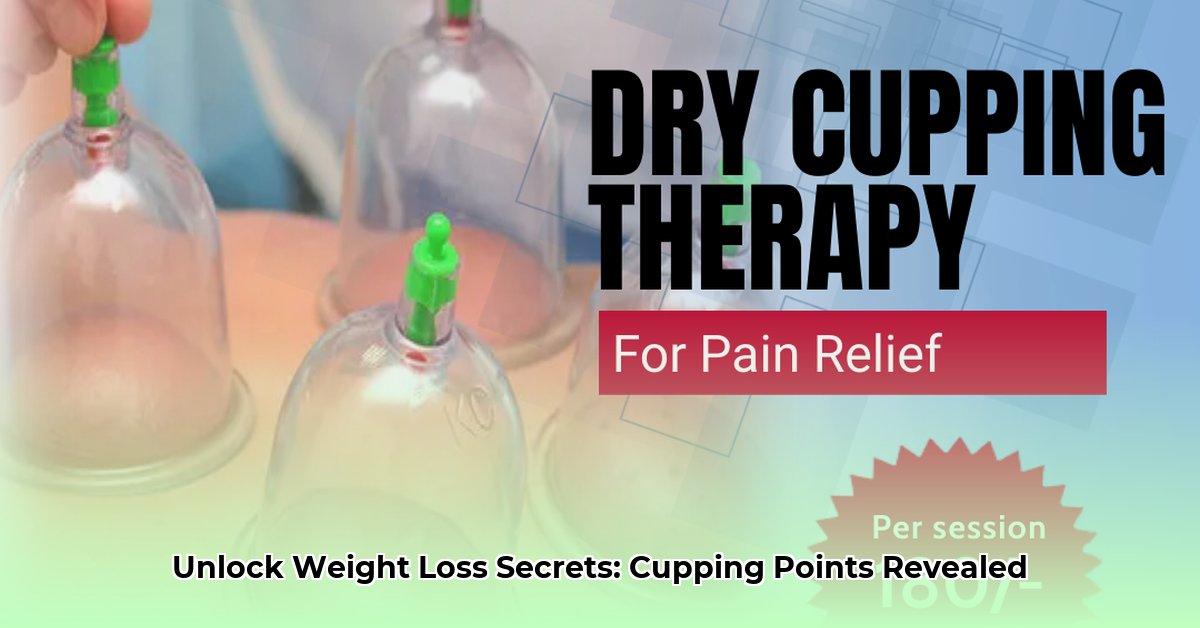
Understanding Cupping and Weight Loss: A Realistic Perspective
Cupping therapy, an ancient practice involving the application of suction cups to the skin, has gained popularity as a potential complementary therapy for weight loss. While some believe it may improve circulation and lymphatic drainage, leading to indirect weight loss benefits, it's crucial to understand that scientific evidence directly supporting cupping as a standalone weight loss method is limited. This guide provides a balanced perspective, combining information on cupping techniques and placement with a clear acknowledgment of the current scientific limitations.
Disclaimer: Consult Your Healthcare Provider
Before considering cupping for weight loss (or any health concern), it is essential to consult with a qualified healthcare professional. They can assess your individual health status, identify any potential risks or contraindications, and determine if cupping is appropriate for you. It's crucial to remember that cupping is not a substitute for a healthy diet and regular exercise; it can only play a supporting role in a comprehensive weight loss strategy.
How Cupping Might Influence Weight Loss: Potential Mechanisms
Several potential mechanisms explain how cupping might contribute to weight loss, although further research is needed to confirm these effects:
- Improved Circulation: Cupping may enhance blood flow, potentially boosting metabolism and aiding in the removal of waste products. Increased circulation might contribute to a more efficient energy expenditure.
- Lymphatic Drainage: By increasing lymphatic flow, cupping may reduce fluid retention, leading to a reduction in bloating and a slight decrease in weight.
- Reduced Inflammation: Some believe that cupping can reduce inflammation in the body, which could indirectly influence weight management by reducing any inflammation-related weight gain.
It's vital to emphasize that these are potential mechanisms, and strong scientific evidence linking cupping directly to significant weight loss is currently lacking.
Cupping Techniques: A Practical Guide
Three main cupping techniques exist:
- Dry Cupping: Suction cups are applied directly to the skin without any punctures. This is generally considered a gentler method.
- Wet Cupping: Small superficial punctures are made in the skin before applying the cups to draw out a small amount of blood. This method requires the expertise of a qualified practitioner.
- Moving Cupping: The cups are moved across the skin during treatment, providing a massage-like effect and further stimulating circulation. This technique requires a skilled practitioner.
All cupping techniques should be performed by a trained and certified professional.
Strategic Cupping Point Placement: A Balanced Approach
Traditional Chinese Medicine (TCM) identifies specific acupoints (pressure points) believed to influence various bodily functions. While some TCM practitioners use cupping on particular acupoints for weight loss, there is limited scientific evidence directly supporting this practice.
Instead of focusing on specific, unvalidated "weight loss" acupoints, a qualified practitioner might target areas promoting overall circulation and lymphatic drainage:
- Abdominal Region: Cupping around the abdomen might aid digestion and reduce bloating. However, a flat stomach requires a holistic approach including diet and exercise.
- Flanks (Sides of the Body): Cupping in these areas might encourage lymphatic drainage, potentially reducing fluid retention. Again, results are not guaranteed.
- Back: The back contains various meridian pathways in TCM. Targeting specific areas might, according to TCM principles, improve energy flow, but this connection to weight loss requires more research.
A qualified practitioner will personalize cup placement based on your individual needs and health status. It's crucial to avoid self-treating based on limited information.
(Diagram illustrating general abdominal, flank, and back areas would be inserted here.)
Safety Precautions and Contraindications
While generally safe when performed by a qualified practitioner, cupping carries potential risks:
- Bruising: This is common and usually resolves within a week.
- Infection: While rare, infection is possible with improper sterilization techniques.
- Discomfort: Some individuals may experience mild discomfort during or after treatment.
Cupping is generally contraindicated for individuals with:
- Bleeding disorders
- Skin infections or open wounds
- Pregnancy
- Certain skin conditions (consult your physician)
Combining Cupping with Other Weight Loss Strategies
Cupping should be viewed as a complementary therapy, not a standalone solution. For effective weight loss, combine cupping with a comprehensive strategy that includes:
- A balanced diet: Prioritize whole foods, fruits, vegetables, lean proteins, and whole grains.
- Regular exercise: Engage in regular physical activity to burn calories and build strength.
- Stress management: Find healthy ways to manage stress, as chronic stress can negatively impact weight management.
Finding a Qualified Cupping Practitioner
To ensure safe and effective treatment, it is crucial to find a qualified and experienced cupping therapist. Consider the following:
- Certification: Look for practitioners certified in cupping therapy.
- Experience: Seek practitioners with experience in integrative medicine and a holistic approach.
- Reviews: Check online reviews to assess client satisfaction and practitioner expertise.
Conclusion: Realistic Expectations and a Holistic Approach
Cupping therapy offers potential benefits, but direct evidence supporting its significant impact on weight loss is limited. It can be a valuable complementary treatment when combined with a balanced diet, regular exercise, and stress management. However, always consult a qualified healthcare professional before considering cupping for weight loss. Realistic expectations and a holistic approach are essential for successful weight management.